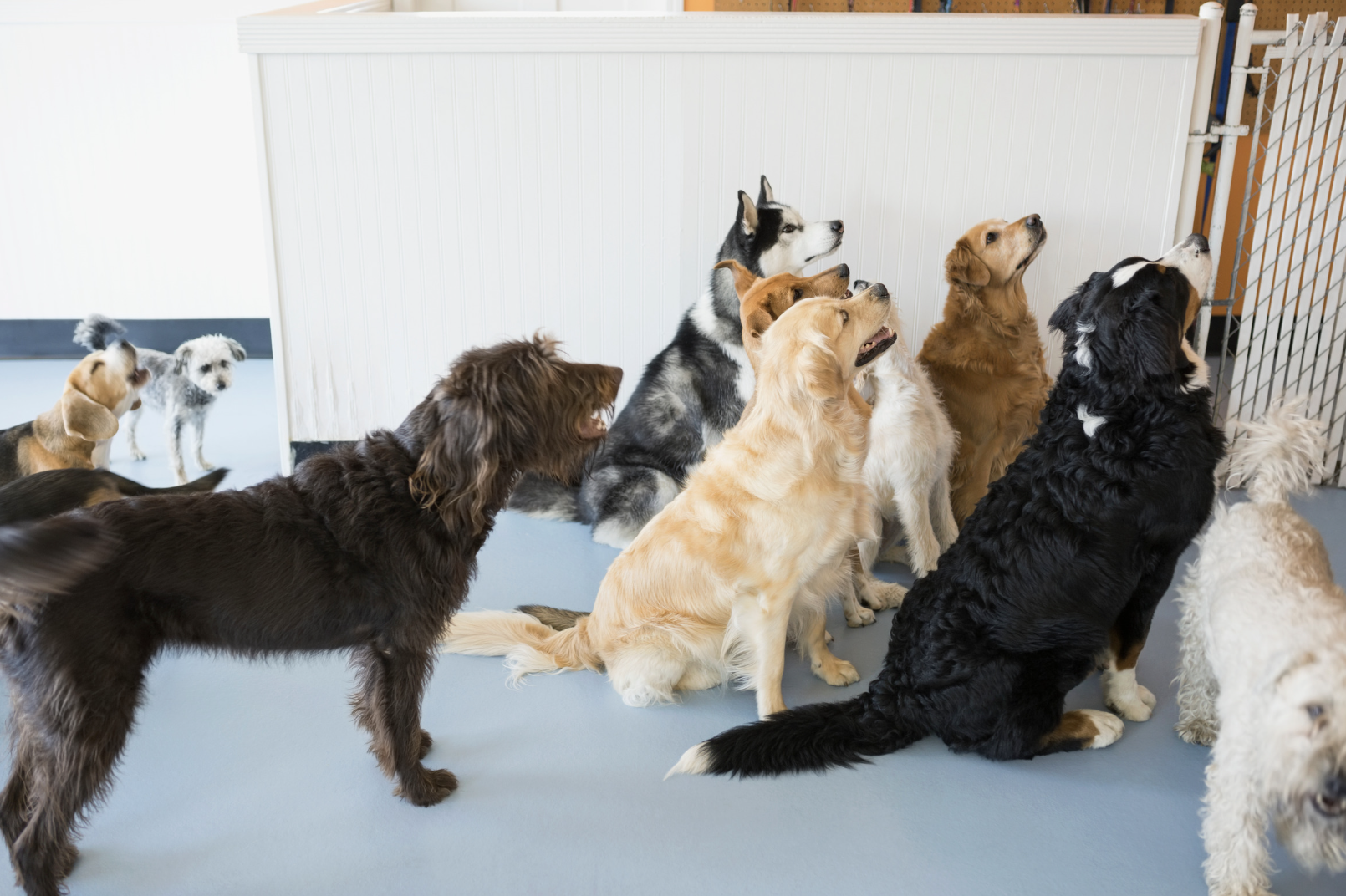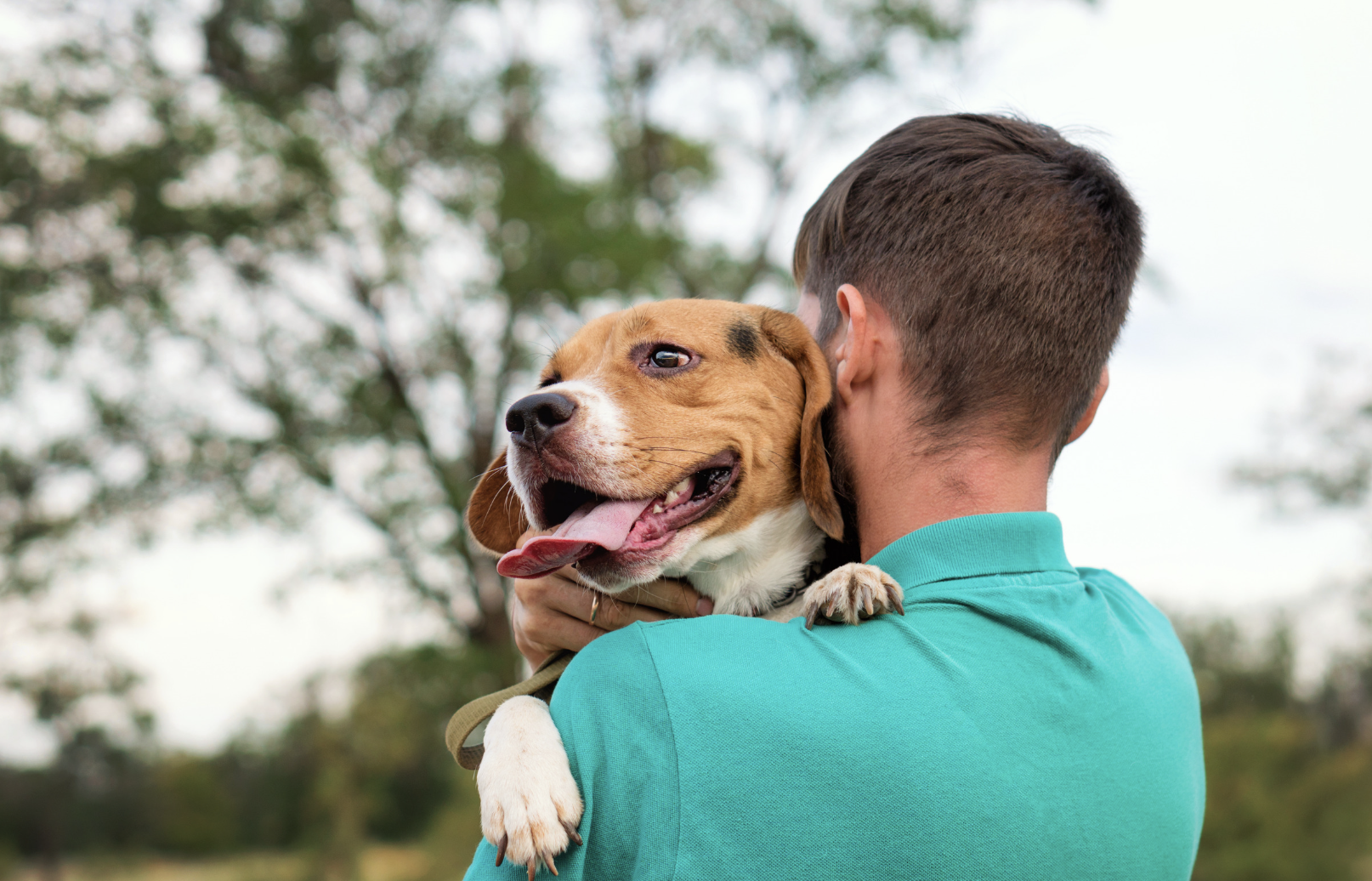
Most people think of boarding as a short arrangement for a weekend trip, but there are plenty of situations where long term dog boarding becomes the more practical, and sometimes necessary, option. A family relocation, an extended work trip, a medical event, or a home renovation can all mean your dog needs a safe place to stay for weeks rather than days. Deciding whether an extended stay is right for your dog means weighing real benefits against real trade-offs, and understanding what to look for in a facility built to support longer stays.
At Dog's Day Inn, we've supported plenty of families through exactly these situations, and we know the decision isn't always simple. Here's a balanced look at what long-term boarding involves.
When Does Extended Stay for Dogs Make Sense?
Extended boarding tends to come up in a handful of common scenarios:
Travel that extends beyond a typical trip, such as international travel, work assignments, or family emergencies that keep you away longer than planned.
Relocation, when a move involves a gap between leaving one home and settling into another, or when travel logistics make bringing a dog along impractical for part of the journey.
Medical situations, either for the dog or the owner, where a hospital stay, surgery recovery, or treatment schedule makes consistent home care temporarily impossible.
Home renovations or unsafe living conditions, where construction, chemicals, or general chaos at home would be stressful or unsafe for a dog.
In each of these cases, the question isn't just "can my dog handle it," but "what kind of environment will actually support my dog's well-being for an extended period."
The Pros of Long Term Dog Boarding
Consistent routine and socialization. Dogs that board long-term at a quality facility often benefit from a level of structure and social interaction they wouldn't get sitting at home alone or with an overwhelmed pet sitter juggling other responsibilities.
Professional oversight for medical or behavioral needs. For dogs with medication schedules, dietary restrictions, or anxiety issues, trained staff can provide the kind of consistent, attentive care that's hard to guarantee with informal arrangements over several weeks.
Reduced guilt and stress for owners. Knowing your dog is in a safe, supervised environment — rather than passed between friends or left with someone who isn't fully equipped — can significantly ease the emotional weight of an already stressful situation like a move or medical crisis.
Built-in enrichment. Longer stays at a good facility typically include more than just kenneling; dogs get regular exercise, play, and mental stimulation that helps prevent the boredom and regression that can come from weeks of inactivity.
The Cons of Long Term Dog Boarding
Cost adds up over time. Boarding fees that feel reasonable for a weekend can become a significant expense over several weeks, so it's worth discussing extended-stay rates directly with a facility rather than assuming standard nightly pricing applies.
Separation can be hard on some dogs. Dogs that are highly bonded to their owners or prone to separation anxiety may struggle more with a multi-week stay than a short one, even in a high-quality environment.
Not all facilities are equipped for extended stays. Some boarding operations are set up for quick turnover and may not offer the kind of individualized attention, consistent staff relationships, or enrichment that make a longer stay comfortable for a dog.
Less flexibility for last-minute changes. Extended bookings sometimes come with different cancellation or adjustment policies than short stays, so it's worth clarifying this upfront if your circumstances might shift.
How Dog's Day Inn Supports Longer Stays
Not every facility is built with extended-stay comfort in mind, but it's one of the areas we've intentionally focused on. Dogs staying with us for longer periods have access to televisions in their suites to provide familiar background noise, supervised pool time for exercise and enrichment, and consistent care from the same bonded staff members rather than a rotating cast of unfamiliar faces. That continuity matters — dogs settle in faster and show less stress when they see familiar people day after day.
Because dogs spending extended time outdoors or using pool areas are more exposed to heat over multiple days, we also pay close attention to signs of overheating. Signs of heatstroke include heavy panting and require prompt veterinary care, which is exactly why staff monitor outdoor and pool time closely, especially during longer stays in the Houston heat.
If your situation also involves a cat at home, it's worth knowing we support multi-pet households too — you can see details on our cat boarding services if you're coordinating care for more than one pet during a move or extended trip. For dogs specifically, our dog boarding services page outlines daily routines, amenities, and how we structure care for both short and extended stays.
Key Takeaways
Long term dog boarding often makes sense for extended travel, relocation, medical situations, or unsafe home conditions.
Benefits include consistent routine, professional oversight, and built-in enrichment; trade-offs include cost and potential separation stress for some dogs.
Not all facilities are equipped to handle extended stays well — ask about staff continuity, enrichment, and pricing structure.
Dog's Day Inn supports longer stays with in-suite TVs, pool access, and bonded, consistent staff.
Heat safety monitoring matters more the longer a dog spends time outdoors or in pool areas.
FAQ
How long is considered "long term" boarding?
Definitions vary, but most facilities consider stays of two weeks or longer to be extended or long-term boarding, often with adjusted pricing and care plans.
Will my dog get individual attention during a long stay?
At facilities designed for extended stays, dogs should receive consistent care from familiar staff, along with regular exercise and enrichment rather than being left in a kennel for most of the day.
Does long-term boarding cost less per night than short stays?
Many facilities offer adjusted extended-stay rates, so it's worth asking directly rather than assuming standard nightly pricing applies.
Facing a Move or Extended Trip? Let's Talk.
If you're navigating a relocation, extended travel, or a medical situation and need a trustworthy place for your dog to stay, we're here to help you figure out what an extended stay would look like. Reach out to discuss your dog's needs, and let us help make a difficult transition a little easier.