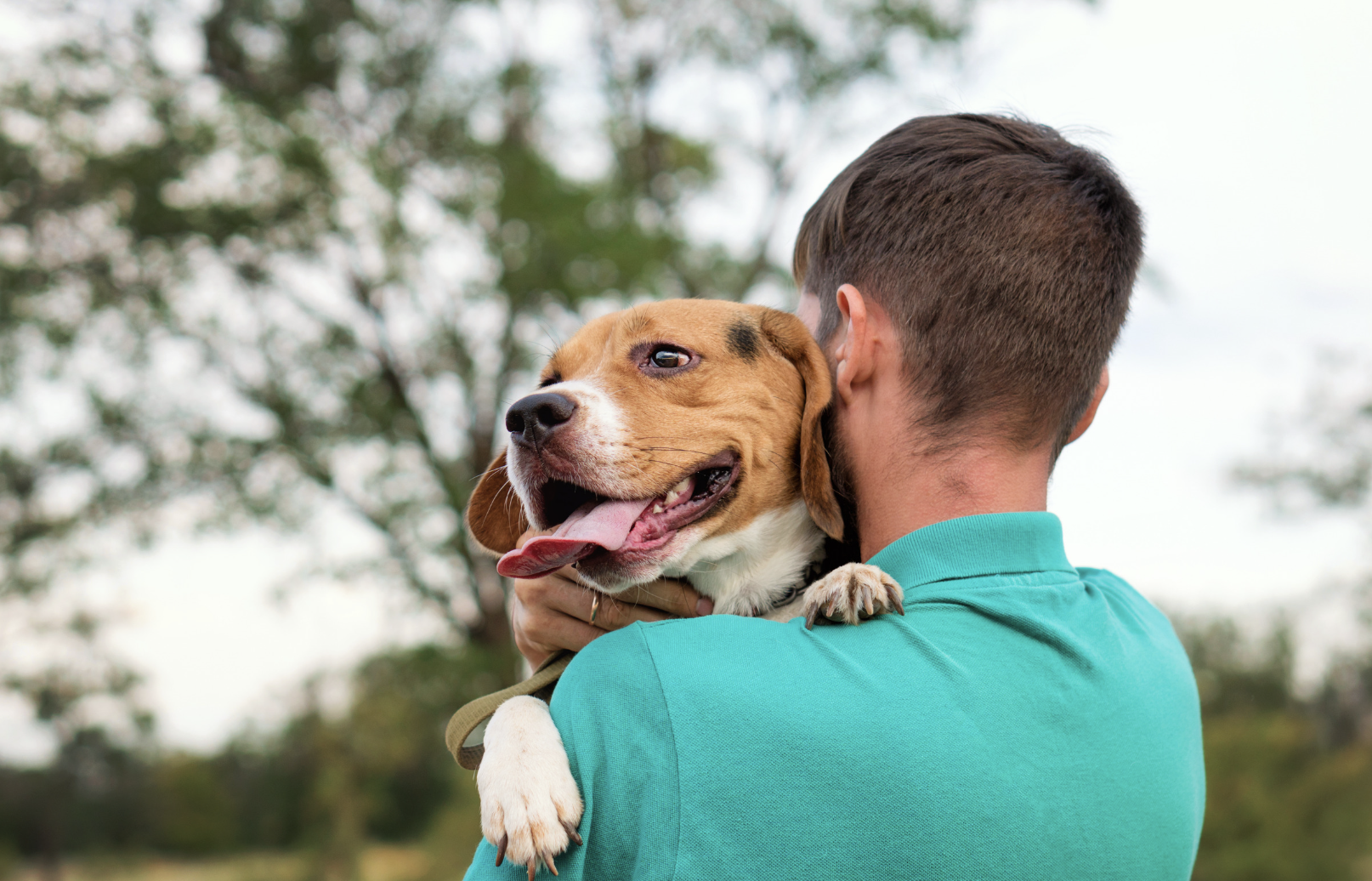
When it's time to plan a trip, one of the biggest decisions pet parents face is whether to use boarding for dogs or hire a pet sitter to check in at home. Both options have genuine advantages, but they're not equally safe or well-suited to every situation. Understanding the real differences in supervision, socialization, and emergency response can help you make a more confident decision before you leave town.
Boarding for Dogs: What You're Actually Getting
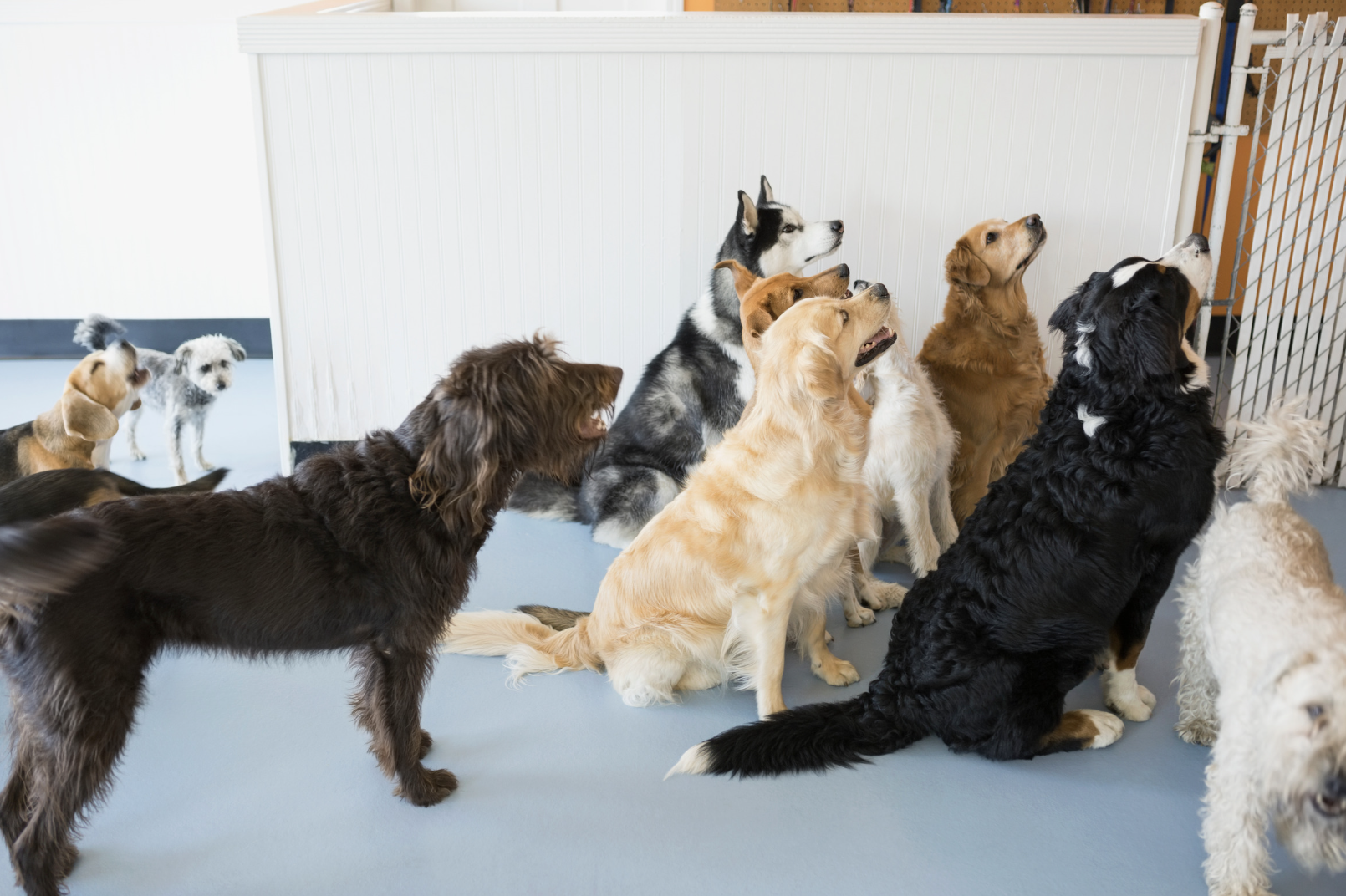
A quality boarding facility offers continuous, trained supervision throughout the day rather than periodic visits. Staff are present to monitor feeding, behavior, and general well-being in real time, which means issues like a sudden illness, anxiety episode, or behavioral change are far more likely to be caught quickly. Many facilities also offer supervised play and socialization opportunities, giving dogs an active, engaging environment rather than long stretches of isolation at home.
Pet Sitters: What You're Actually Getting
An in-home pet sitter keeps your dog in a familiar environment, which can reduce stress for dogs who are especially anxious about new places. However, most pet sitting arrangements involve scheduled visits rather than continuous presence — commonly once or twice a day. Between visits, your dog is essentially unsupervised, which means a lot can happen in the hours a sitter isn't there.
Comparing the Two: Supervision, Socialization, and Emergency Access
Supervision
This is where the two options differ most significantly. Boarding facilities provide ongoing supervision throughout the day, and often overnight as well, from staff trained specifically in animal behavior and care. Pet sitters, by contrast, typically visit for a set window of time, leaving your dog alone for the majority of the day. For dogs with medical conditions, high anxiety, or a tendency toward destructive or risky behavior, that gap in supervision can matter a great deal.
Socialization
Dogs are social animals, and many genuinely benefit from interaction during the day rather than isolation at home. A good boarding facility builds in supervised playtime with other dogs or one-on-one attention from staff, which can actually reduce the stress and boredom some dogs experience when left alone for extended periods. A pet sitter, especially one managing multiple clients, typically can't offer the same level of sustained engagement.
Emergency Access
This is arguably the most important difference. If your dog becomes ill or injured while boarding, trained staff are on-site and can respond immediately, often with an established relationship with a local veterinarian for urgent situations. If something happens between a pet sitter's visits, there may be a significant delay before anyone realizes something is wrong. For pet parents who want the fastest possible response in an emergency, that gap in coverage is worth taking seriously.
According to a comparison from Chewy on the pros and cons of boarding versus pet sitting, both options can work well depending on a dog's individual needs and temperament, but the level of continuous oversight varies significantly between the two.
When a Pet Sitter Might Make Sense
To be fair, in-home pet sitting isn't without its advantages. Dogs who experience significant stress in unfamiliar environments, or multi-pet households where keeping animals together at home is simpler, may do better with a sitter. If you choose this route, it's worth vetting the sitter carefully, asking about visit frequency, and considering a camera system for added peace of mind between visits.
Why Many Pet Parents Choose Boarding Instead
For most dogs, though, the combination of continuous supervision, structured socialization, and immediate emergency response makes boarding the safer choice, especially for longer trips or dogs with any medical or behavioral considerations. At Dog's Day Inn, our dog boarding program is built around exactly this kind of continuous care: trained staff on-site throughout the day, supervised play and socialization, and established protocols for responding quickly if a dog needs medical attention.
If you're weighing your options, the best way to decide is to see the environment for yourself and ask direct questions about supervision and emergency protocols, whichever option you're considering.
Key Takeaways
Boarding provides continuous supervision throughout the day and often overnight, while pet sitters typically visit only once or twice daily.
Boarding facilities generally offer more structured socialization and engagement than a dog gets from scheduled sitter visits alone.
Emergency response is faster at a staffed boarding facility, where trained staff are on-site and have established veterinary relationships.
In-home pet sitting can still make sense for dogs with significant anxiety about new environments or in certain multi-pet households.
The safest choice depends on your dog's individual temperament, medical needs, and how long you'll be away.
FAQ
Is boarding safer than a pet sitter for my dog?
For most dogs, boarding offers more continuous supervision and faster emergency response, though dogs with severe environmental anxiety may do better with an in-home sitter.
How often does a typical pet sitter visit?
Most pet sitting arrangements involve one or two visits per day, leaving dogs unsupervised for the remaining hours.
What happens if my dog needs emergency care while boarding?
A quality boarding facility has staff on-site to respond immediately and typically maintains a relationship with a local veterinarian for urgent situations.
Still Deciding? Let's Talk It Through
If you're trying to figure out which option is right for your dog's next trip, we're happy to walk you through how our boarding program handles supervision, socialization, and emergencies. Book a stay at our Cypress or Katy location or give us a call to ask about the difference — we're glad to help you make the right call for your dog.