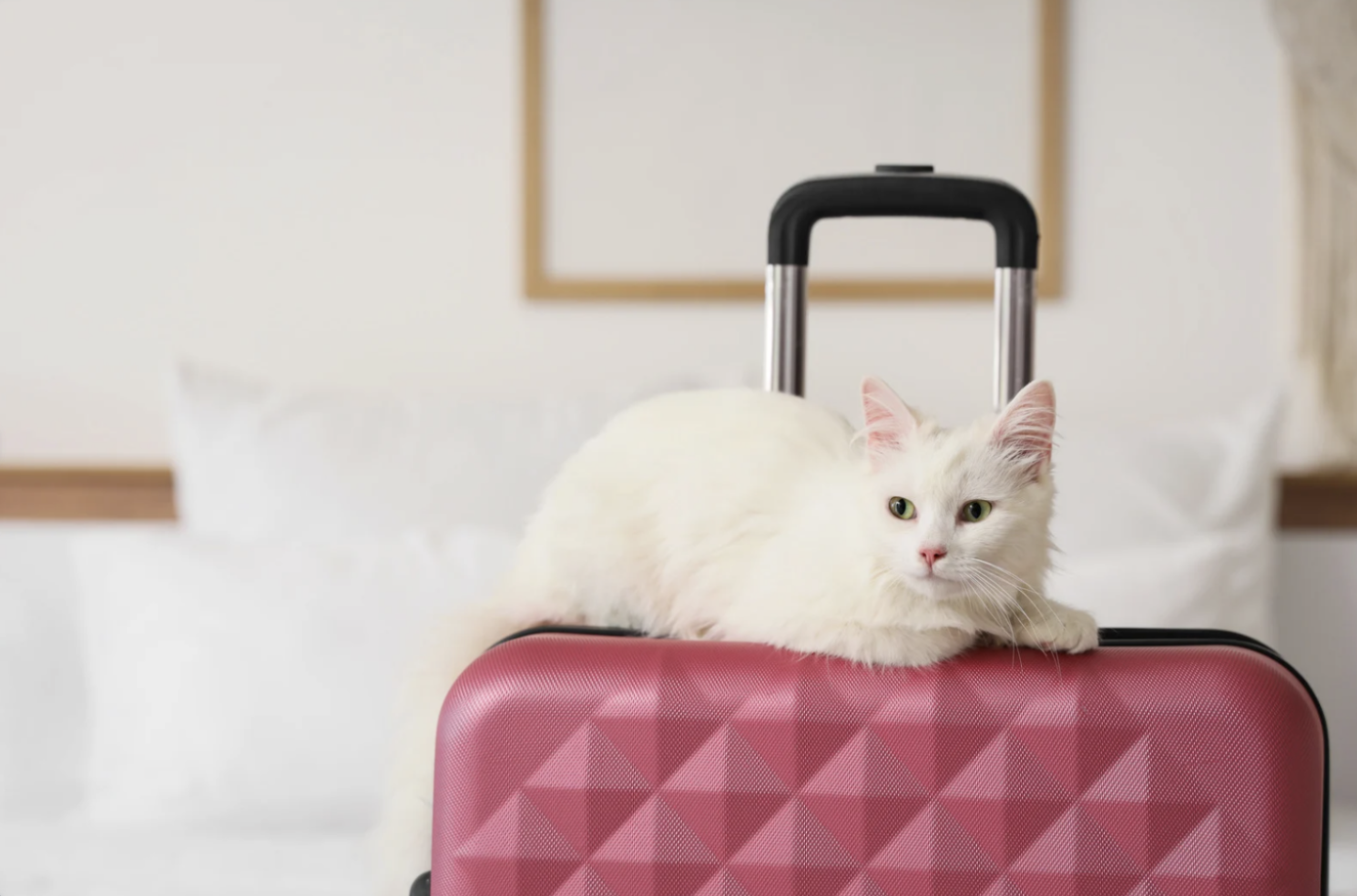
Cats are creatures of habit, so the idea of boarding them at a cat kennel can feel more stressful than it does for dog owners used to the routine. The good news is that with a little preparation, most cats settle into a boarding stay far more easily than their owners expect. Whether you're heading out of town for a week or arranging longer-term care, knowing how to prepare your cat can make the transition smooth for everyone involved, including your cat.
At Dog's Day Inn, we work with cat owners often enough to know that the anxiety usually belongs to the humans more than the cats. Here's a practical, step-by-step guide to getting your cat ready for a boarding stay.
Step-by-Step Checklist for a Smooth Cat Kennel Stay
Preparation doesn't need to be complicated, but a little structure goes a long way in reducing anxiety for both you and your cat.
1. Schedule a Vet Visit Beforehand
Before any boarding stay, make sure your cat's vaccinations are current and that you have documentation ready to provide at check-in. Most reputable facilities require proof of rabies and FVRCP vaccinations at minimum. This visit is also a good time to flag any medications, dietary needs, or health concerns that boarding staff should know about.
2. Pack a Familiar Blanket or Toy
Scent is one of the most powerful tools for helping a cat feel secure in an unfamiliar space. Packing a blanket, bed, or toy that smells like home can make a real difference in how quickly your cat settles in. Avoid washing these items right before the stay — that familiar scent is doing a lot of the emotional heavy lifting.
3. Practice Gradual Carrier Training
If your cat associates the carrier only with stressful vet trips, the carrier itself can become a source of anxiety before boarding even begins. In the weeks leading up to your cat's stay, leave the carrier out in a common area with the door open, and place treats or meals near or inside it. This gradual, low-pressure exposure helps your cat see the carrier as neutral rather than threatening.
4. Maintain Routine as Long as Possible
Cats thrive on consistency, so try to keep feeding times, play sessions, and general routines as normal as possible in the days before drop-off. Sudden changes stacked on top of an unfamiliar environment can compound stress unnecessarily.
5. Share Behavioral Notes with Staff
Every cat has quirks. Let the boarding facility know if your cat prefers to hide, dislikes being picked up a certain way, or has specific comfort behaviors. This kind of detail helps staff tailor their approach and recognize normal behavior versus genuine distress.
Cat Sitting vs. Cat Kennel: Which Is Right for Your Cat?
Many owners weigh cat sitting against a dedicated boarding stay, and the right choice depends on your cat's personality and needs. In-home cat sitting keeps a cat in a familiar environment, which can suit especially anxious or elderly cats. However, a quality cat kennel offers something in-home sitting often can't: consistent, professional supervision throughout the day rather than a single daily visit.
At a dedicated facility, staff can monitor eating habits, litter box use, and general behavior far more closely than a once-a-day check-in allows. For cats with medical needs or those prone to hiding their symptoms (a common feline trait), this level of attention can catch problems early. It's also worth noting that a well-designed boarding environment, with private cat condos separate from dogs, can be just as calm as staying home — sometimes calmer, since staff are trained specifically to read feline body language.
Reducing Anxiety During the Stay
A few additional habits can help reduce anxiety once your cat arrives for boarding:
Arrive with your cat already fed and settled, rather than rushed, so the transition starts calmly.
Avoid lingering too long at drop-off — a brief, calm goodbye is easier on most cats than a prolonged one.
Ask whether the facility offers private, quiet condo spaces away from dog boarding areas, which can significantly reduce stress for cats sensitive to noise.
If your cat is on any medication, confirm exactly how and when it will be administered.
Even something as simple as extreme weather during transport is worth planning around. Just as the ASPCA advises giving pets plenty of fresh water and limiting time outdoors in extreme heat, it's worth timing drop-off and pickup to avoid peak heat, especially if your cat will spend any time in a carrier in the car.
How Dog's Day Inn Supports Cat Boarding
Our cat condos are designed with feline comfort in mind — quiet, separate from our dog boarding areas, and set up to give each cat their own private space rather than a shared or exposed setup. Staff are trained to recognize subtle signs of stress in cats, which tend to look very different from how dogs express anxiety. You can learn more about our full range of amenities, including how our outdoor play spaces and pools fit into our broader boarding services, and see our dedicated cat boarding services for details specific to feline guests.
Key Takeaways
A calm cat kennel stay starts with preparation: updated vaccinations, a familiar-smelling item, and gradual carrier training.
Maintaining routine before drop-off helps reduce compounded stress.
Sharing your cat's behavioral quirks with staff helps them provide more attentive, personalized care.
Private, quiet cat condos separate from dogs can make boarding just as calm as staying home.
Timing drop-off and pickup around extreme heat protects your cat during transport.
FAQ
How far in advance should I start carrier training?
Ideally two to three weeks before the stay, giving your cat time to gradually associate the carrier with positive experiences rather than stress.
Will my cat be housed near dogs during boarding?
At Dog's Day Inn, cats are housed in private condos separate from our dog boarding areas to minimize stress and noise.
What vaccinations does my cat need before boarding?
Most facilities require proof of rabies and FVRCP vaccinations at minimum; confirm specific requirements with the facility ahead of time.
Ready to See Our Cat Condos?
If you're preparing for an upcoming trip, we'd love to show you around. Tour our cat condos in person or give us a call with any questions about vaccinations, medication management, or what to pack — we're happy to help you and your cat feel ready.